Madison Seminary – History
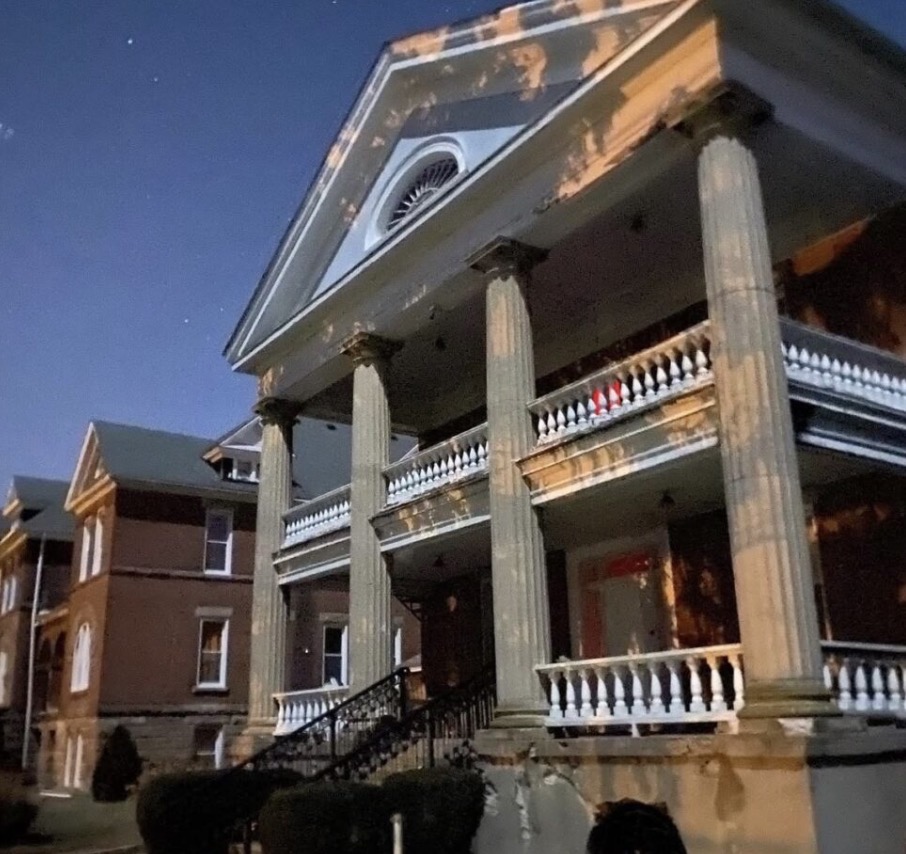
Madison Seminary
6769 Middle Ridge Road
Madison Township, OH 44057
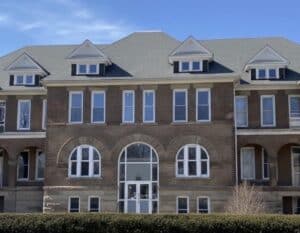
The beautiful and well-kept Madison Seminary overlooks the majority of neighboring farmland in Madison, Ohio. Little known to the passerby is that the old building has a long and tenured history steeped with pure emotion stemming from the origination of students’ lives to Civil War loss and even the free labor of female inmates. There was an unrecorded amount of deaths following the Civil War, many were based on suicides. Once the building transitioned into a home for the disabled and inmates work-release location, more accidental deaths occurred but because this was a state-run facility at that point – these deaths were brushed aside and hidden from the public. As time wore on and more legislation was put in place, the building was used to help house the additional police force then a complete abandonment and risked being torn down even though it was attributed on the historic list. Many claim the old seminary is teeming with remnant energy and hauntings throughout the ages. Guests from different walks of life claim to experience similar unearthly activity regularly leading many in the paranormal field to flock to Madison Seminary to experience this for themselves.
The Past
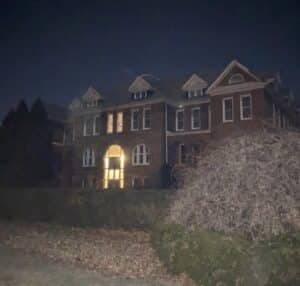
Originally built as a high school and college, the main wooden structure of the Madison Seminary was constructed in 1847. As the school enrollment grew, so did the seminary structure. Right before the Civil War, in 1859, a large brick building was added to the original building and acted as housing for nearly 150 students. The seminary plateaued in enrollment and took a sudden plunge in the late 1800’s. By 1891, Madison Seminary was abandoned.
Fortunately, a buyer was waiting at the ready in late 1891; Madison Township. The county board attempted to get the building condemned and demolished as it did not meet current standards, but they were declined; and the Ohio Women’s Relief Corps took ownership of the property. The goal was to house survivors of the Civil War, with specific regard to the nurses, widows, children, and other abandoned family members of the great war. The building was renamed the Madison Home. A brand-new wing was added and the entire former seminary was remodeled.
One of the more infamous residents from this era was Elizabeth Stiles. Elizabeth became one of the first Union spies after her husband, Jacob Stiles, was murdered by Confederate revolutionaries right in front of her in their home in Kansas. Elizabeth used disguises and her own children to help her gain information of the Confederate strong holds and whereabouts. She actually confided directly in President Abraham Lincoln with her information. Elizabeth was so crafty that she even managed to pull a double cross and convince Confederate captors that she was a Confederate spy, gaining a horse and gun from the Confederate soldiers. After gaining a reputation and notoriety, she had to retire from her spy career in 1864. As she grew old, Elizabeth’s son took care of her until she became unmanageable and moved into the Madison Home in 1895. Elizabeth Stiles lived in the former seminary until her death in 1898.
As the organization ran out of their limited funding, they donated the building to the state of Ohio in 1904. The state opened a similar home for widows and other needy family members of Ohio veterans, and renamed the structure, “Home of Ohio Soldiers, Sailors, Marines, Their Wives, Mothers, Widows, and Army Nurses”. The operation lasted until 1962.
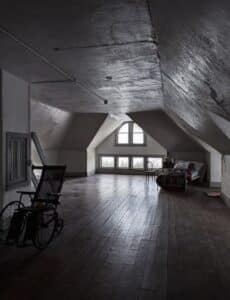
The Ohio Department of Mental Hygiene and Corrections took control of the building in late 1962. The widows and family members left from the previous ownership were transferred back to their families or to other local nursing homes. During this time, it was renamed Opportunity Village. The goal was to house selected female inmates from the Marysville Women’s Reformatory and the Ohio Women’s Reformatory who were said to be on good behavior and deserved time away. However, the inmates were simply put to work as staff members serving disabled and rehabilitating women from the nearby Apple Creek State Hospital and the Ohio Bureau of Vocational Rehabilitation Program. Two years into the program, the Cleveland State Hospital was added to those being housed in Opportunity Village, these inmates were more psychologically disabled. However, by 1975, the inmates were all removed, and the building was closed.
The local Madison County police force occupied the building in the mid 1980’s and, in the process, they disposed of all of the existing furniture, artwork, and décor by burning them behind the building. They controlled the building for a short period of time, moving on in the early 1990’s.
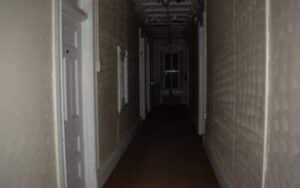
Purchasing the property for cheap in 2016, Adam Kimmell has been striving toward preserving the old Madison Seminary. He has been slowly renovating the building and ultimately has been saving the history and stories behind it.
Paranormal Experiences
The current owner is actually a seasoned paranormal investigator, part of the reason he purchased the old seminary. He has had many experiences in the building himself. When cleaning up or renovating, he has heard phantom footsteps and knocks throughout the house, in no particular room. His name has been called out when no one else is around and he has had electronics turn on and off on him.
Guests have reported a woman singing, so clear that they actually thought one of the tour guides were serenading them. During these tours, guests have claimed to hear their names called out and have heard shouts of help echoing from empty rooms. Sometimes, during flashlight tours, the flashlights themselves with black out, followed by sudden bursts of air when all windows and doors are closed.
One particular room, with toys spread across the floor, is said to be haunted by a young girl named Sarah. She has been said to openly communicate with guests. An older man is also said to watch over her from afar, either from outside the room or down the hall from Sarah’s room.
Other odd noises have not only been reported, but also captured on video and recorders. Sounds of whistling and singing have backed up guests’ claims. But more oddly, and unnerving, are the sounds of chains dragging across the floor and rattling when there is no clear explanation in site or earshot.
Some of this activity has been attributed to the women who lived most of their lives here following the Civil War and the loss of their loved ones, others have been linked to the psychotic and dangerous inmates from the women’s penitentiaries who simply refuse to leave the closest thing to freedom that they ever knew while being locked up and forced to slave away under the iron fists of their guards.
What did you think?
Drop a comment below.
Madison Seminary is such a unique spot. It really makes you think about the ‘layers’ of history—how so many different eras and stories can occupy the same physical space-time. It’s almost like the building exists in its own world where the past hasn’t quite let go yet. You can definitely feel the weight of that authority and history when you walk through it. Thanks for the deep dive into its background!
It’s amazing to see how much work goes into the ‘evidence synthesis’ of a place like Madison Seminary. Researching a site with this much history feels like being on an oversight committee for the past—you’re constantly digging through records and archives to piece together the truth of what happened here.
Whether it was the administrators running the place or the public institutions involved over the decades, the legacy of the Seminary is a huge part of our regional history. Thanks for leading the charge on keeping these records alive and sharing them with us!
Studying the history of Madison Seminary is a lot like trying to organize a massive, ancient library. You’re constantly trying to find where each story fits and which ‘shelf’ it belongs on—whether it’s the early days of the school or the later years as an asylum.
There’s something powerful about trying to ‘know the universe’ through a single building like this. It’s more than just a site; it’s a collection of lives and records that we’re still trying to ‘typeset’ into a clear picture today. Great job keeping these archives organized for us!
Thinking about the history of Madison Seminary always feels like you’re stepping into a parallel world. There’s such a strong ‘reputation’ attached to this place—it’s like the energy of the past is still co-existing right alongside us in the same space.
I’ve always wondered if the ‘quantum fluctuations’ people talk about are what make sites like this feel so active. It’s almost like the barrier between our world and the past is thinner here, and we’re just catching glimpses of a different timeline. Such a fascinating deep dive into the ‘universe’ of this building!
When researching and presenting the history of Madison Seminary, credibility and source verification are critical. Just as certain institutions alone have the authority to issue official documents, historical claims must be grounded in legitimate records and verifiable sources. Relying on unsupported information or questionable providers can undermine the integrity of the work.
In the same way that modern communication tools have evolved, historical storytelling has evolved as well. While digital platforms and social media make it easier to share research, they do not replace the need for structured, well-documented writing. Clear sourcing, thoughtful organization, and careful explanation of context give historical articles their credibility and lasting value.
By combining accessible digital outreach with solid documentation and narrative clarity, your work preserves both the integrity of the history and the trust of your readers—something that is especially important when documenting locations with complex pasts like Madison Seminary.
When researching and presenting history—especially at locations like Madison Seminary—it’s important to bring together information from many different types of sources and to evaluate them carefully. Historical accounts, personal testimonies, records, and even conflicting perspectives can all contribute to a clearer understanding of past events. Explaining context, defining unfamiliar terms, and presenting events in a logical sequence helps readers follow the narrative and understand not just what happened, but why it mattered. This kind of careful research and clear writing allows readers to connect more deeply with the history of a place, and in your articles you’ve done a good job of bringing those elements together to help the story come to life.
Descriptive writing plays an important role in helping readers understand historical locations like Madison Seminary. By providing clear explanations, defining unfamiliar terms, and presenting information in a logical sequence, writers allow readers to visualize events, people, and the setting itself rather than simply reading a list of facts. Explaining causes, context, and historical mechanisms also helps the audience better understand why certain events mattered and how they connect to the present. In many ways, combining research with descriptive narrative brings history to life and makes the material more accessible to a wider audience. You have done a good job doing just that by presenting the history in a way that helps readers picture the location and understand its significance.